MING Dynasty (1368-1644 CE)
A period of stability and global trade expansion, the Ming Dynasty witnessed the construction of the Forbidden City, as well as the completion and fortification of the Great Wall of China. It also saw the rise of China’s iconic blue and white porcelain, which was produced in stunning quantities and exported primarily through naval expeditions launched to showcase Ming power and extend China’s influence.
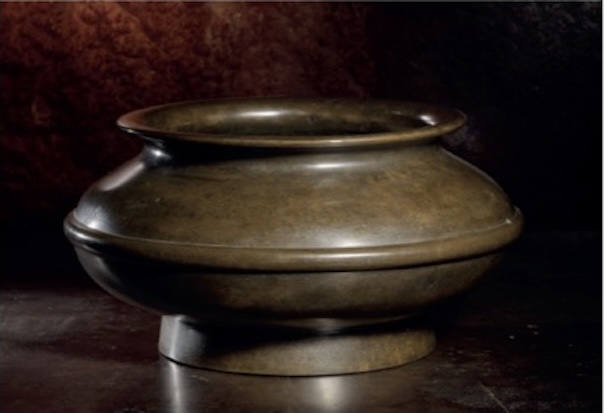
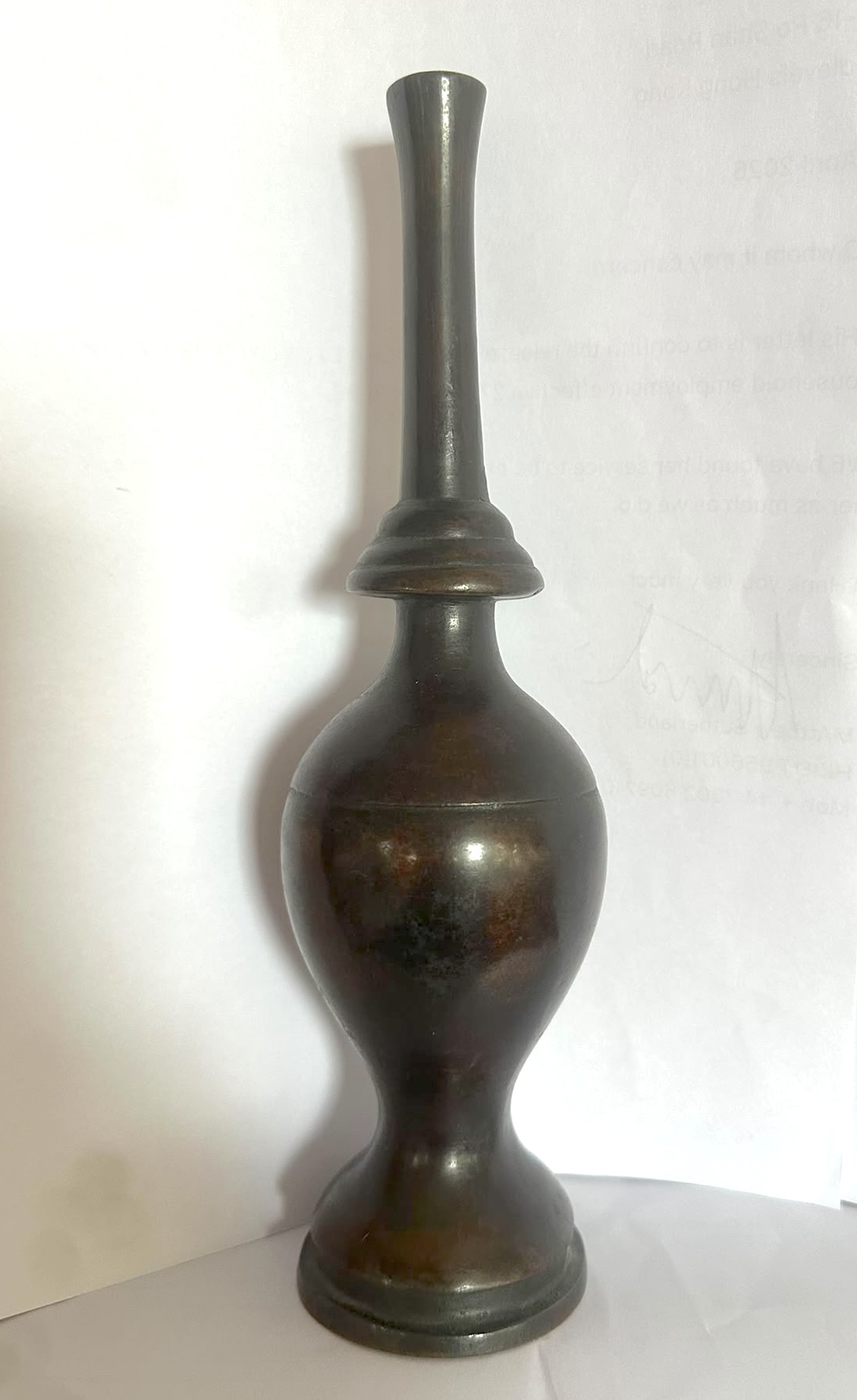
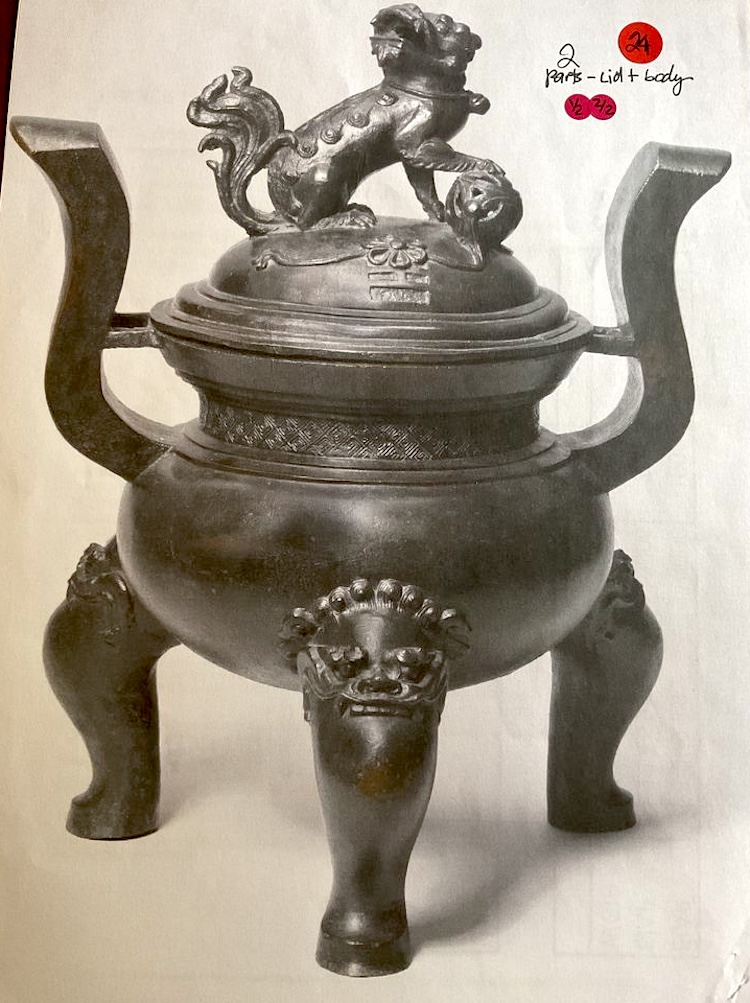
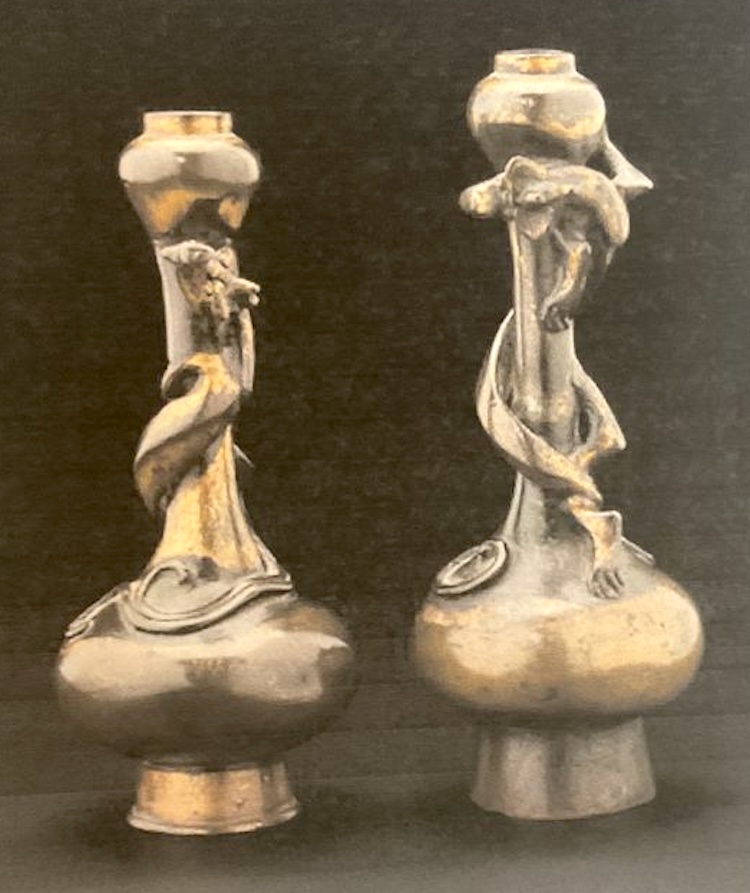
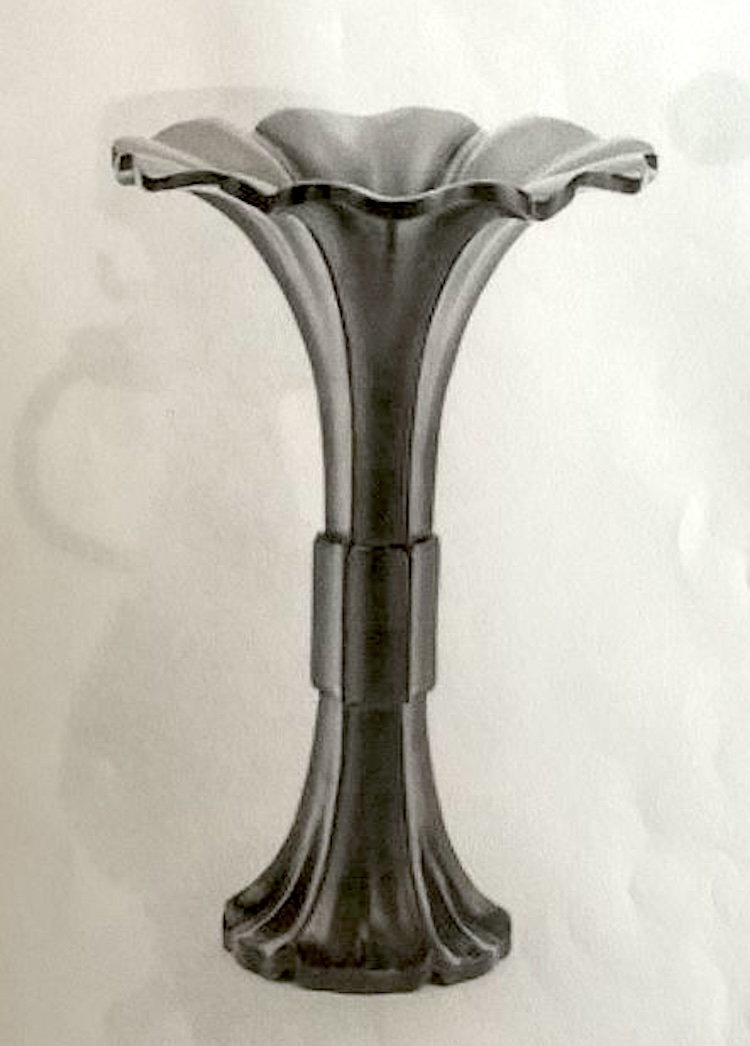
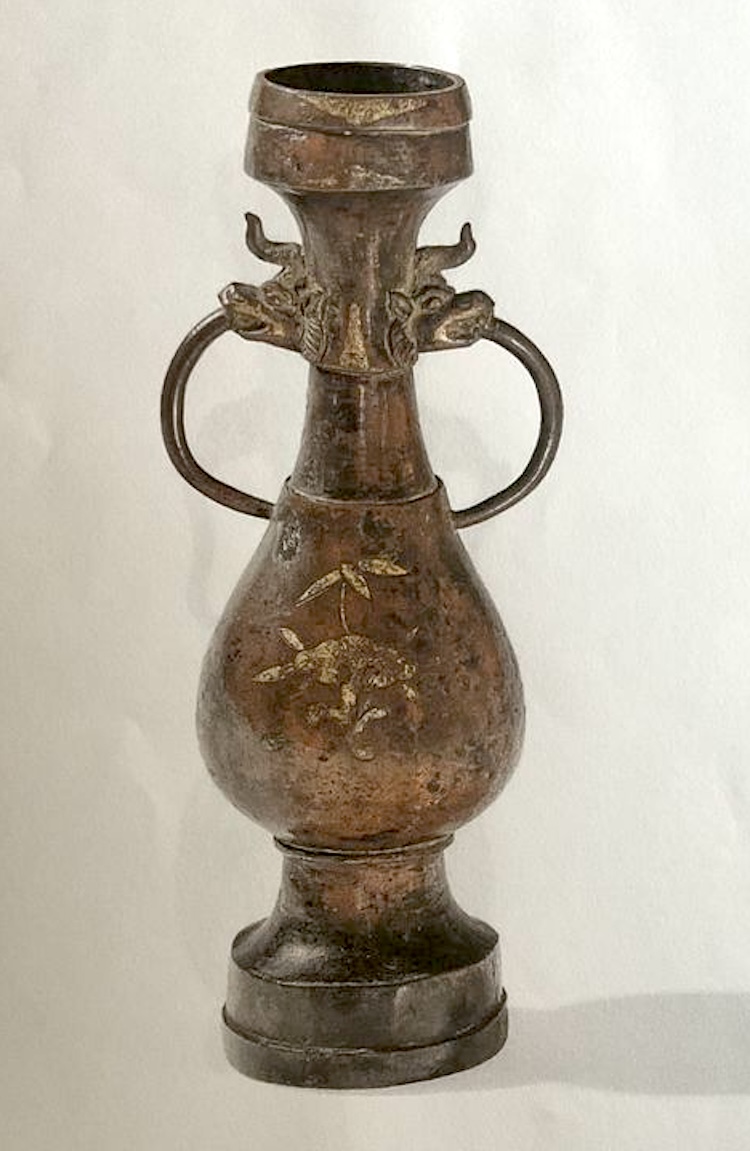
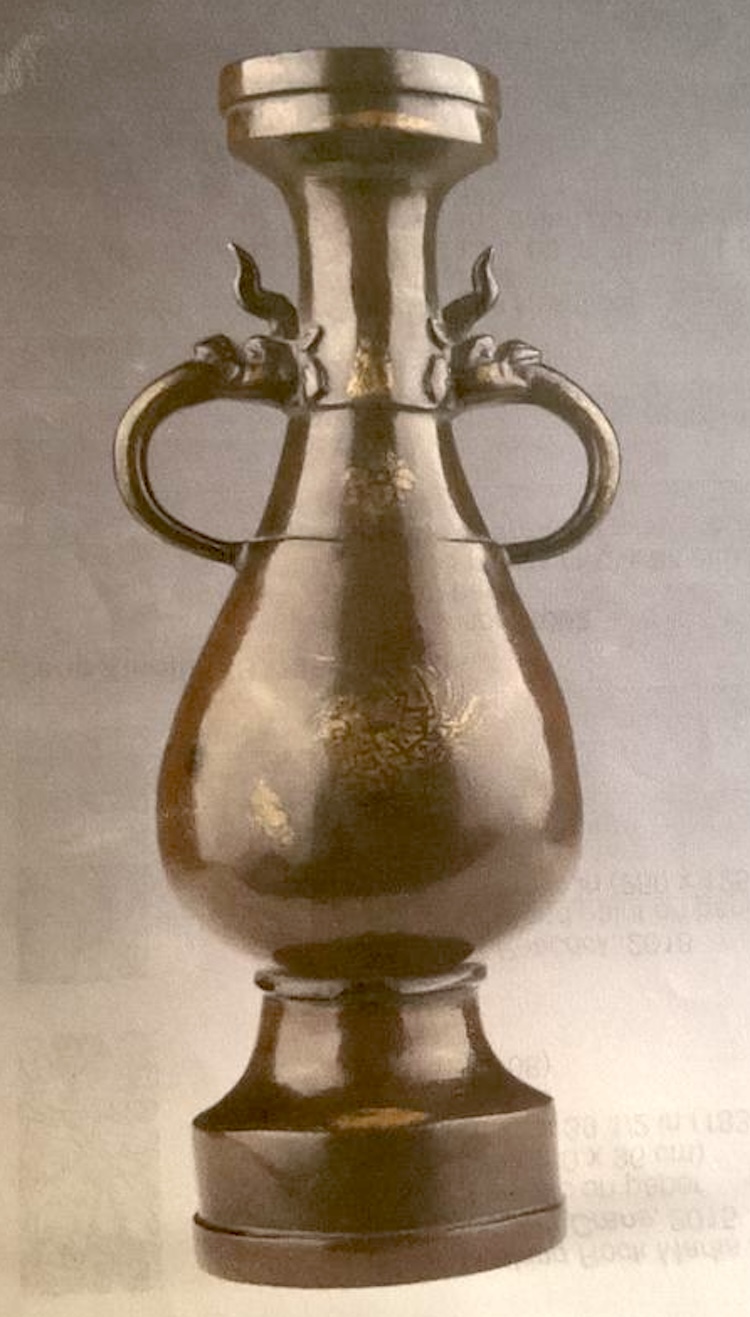
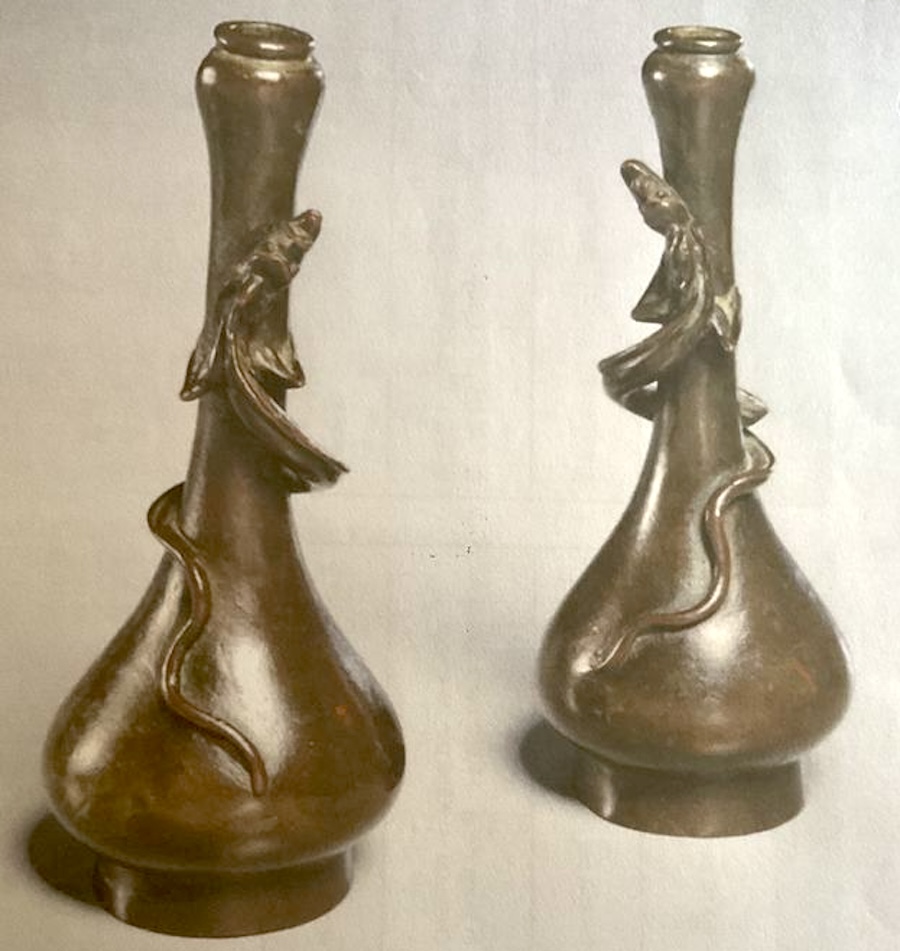
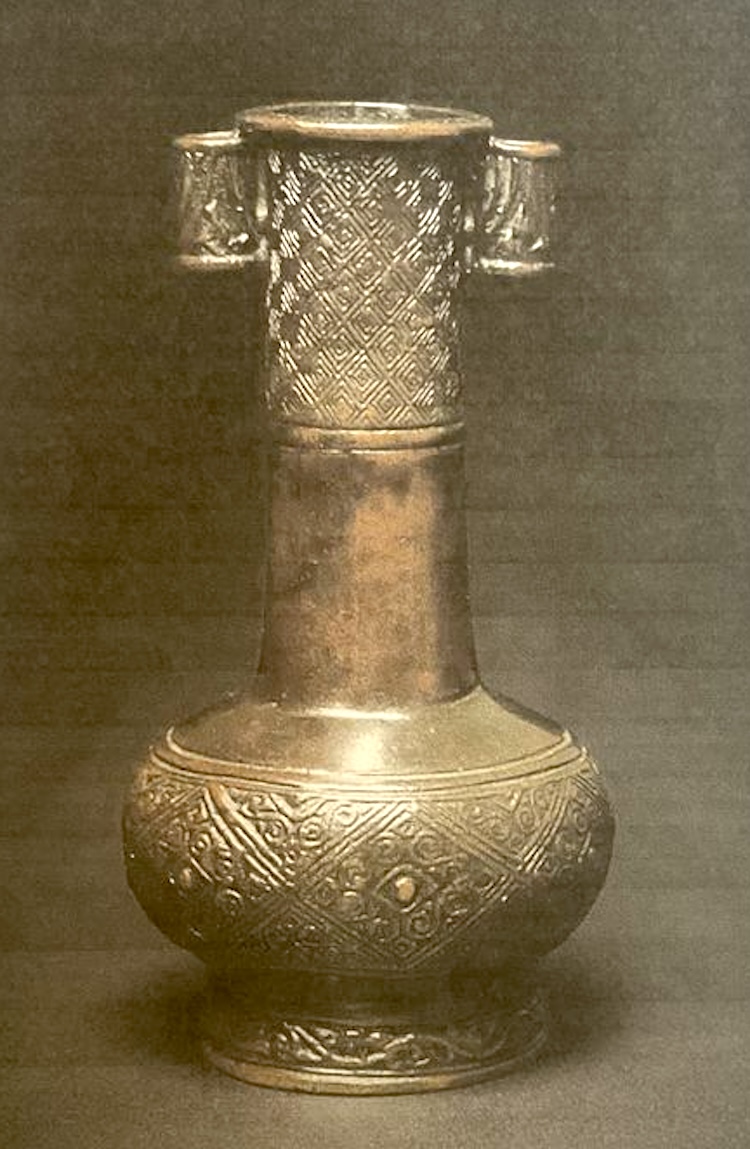
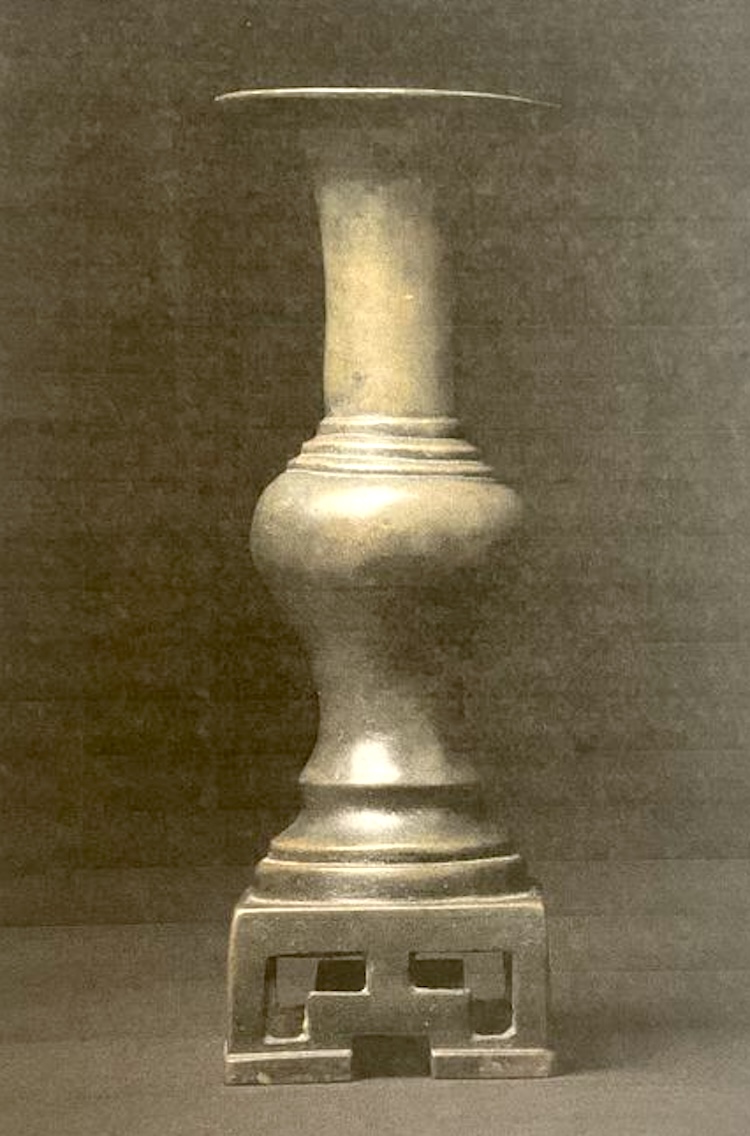
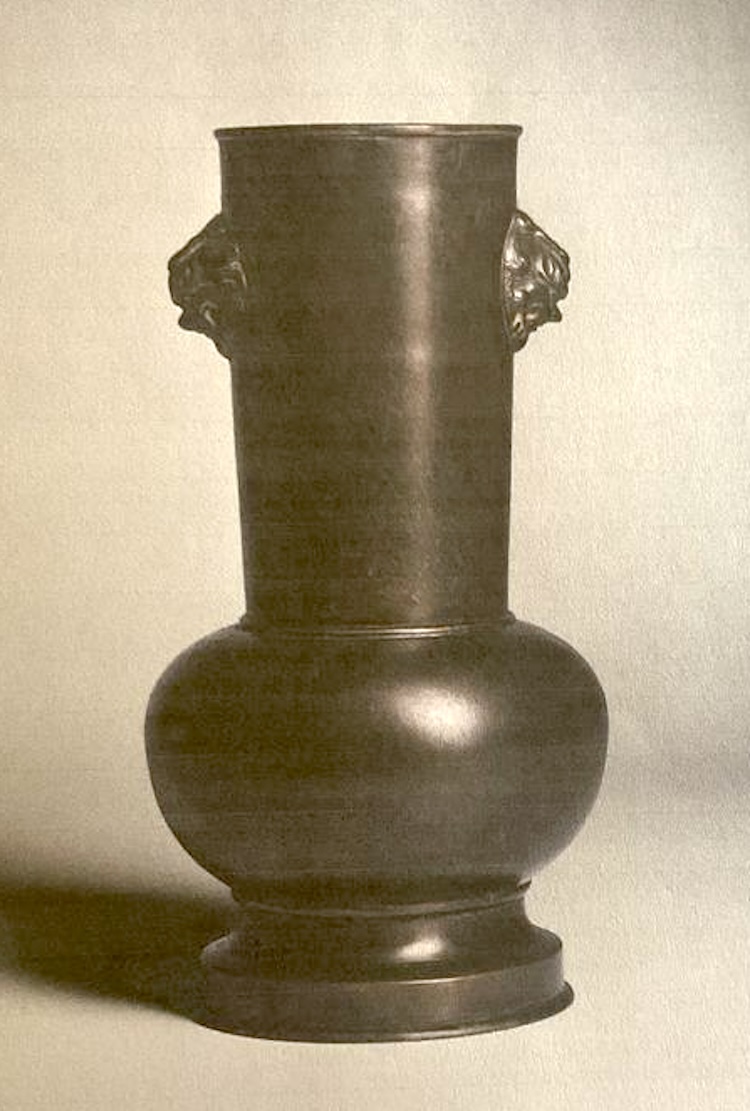
Metalcraft also flourished during this time. Bronzes from the imperial workshops of the Xuande era (1426–1435), especially incense burners, are regarded as the finest examples of Ming metalwork. Bronze scholar’s objects, including paperweights, Buddhist and Daoist figures, and hand warmers, held not only practical and decorative value but also deep artistic and cultural significance. In his guide to the genteel lifestyle, the scholar Wen Zhenheng (1585–1645) praised the patina and forms of other bronze forms produced during this time, from vases to other vessels such as goblets, wine jars and flower vases.
QING Dynasty (1644-1912 CE)
China’s last imperial dynasty, the Qing (also known as the Great Qing), was led by the Manchus, who succeeded the Han Chinese rulers. It was a period of prolific cultural and artistic achievement, particularly during the 18th century, when the Qing empire was the largest and most prosperous in the world.
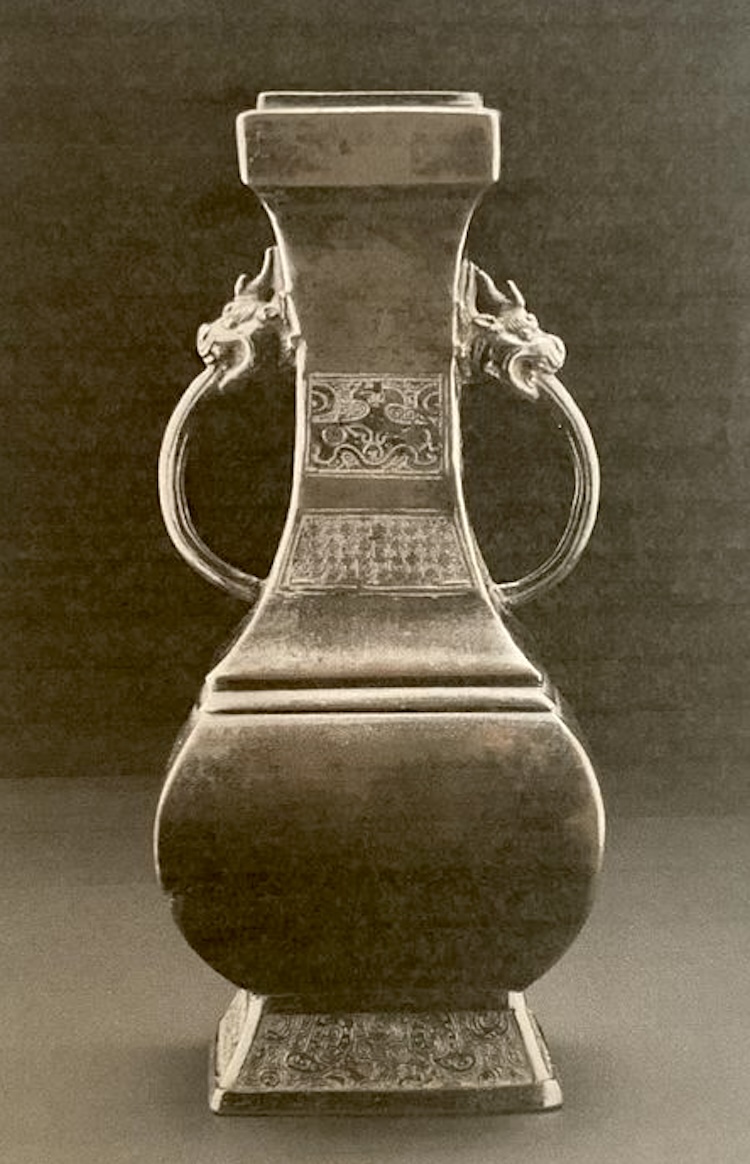
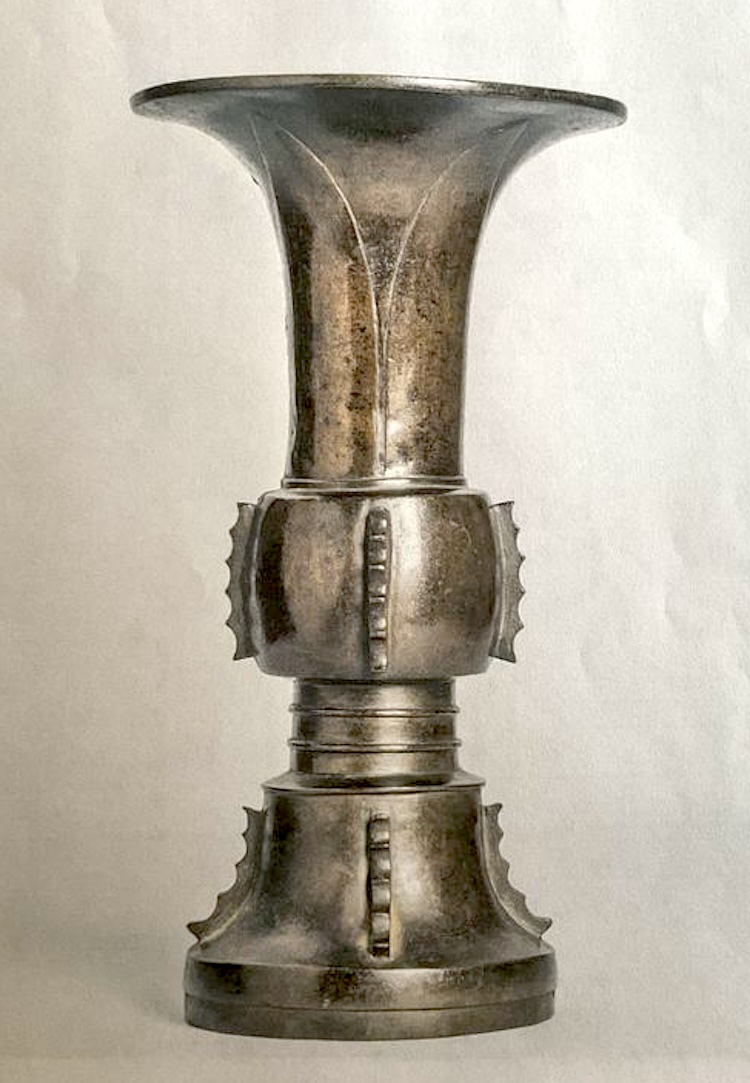
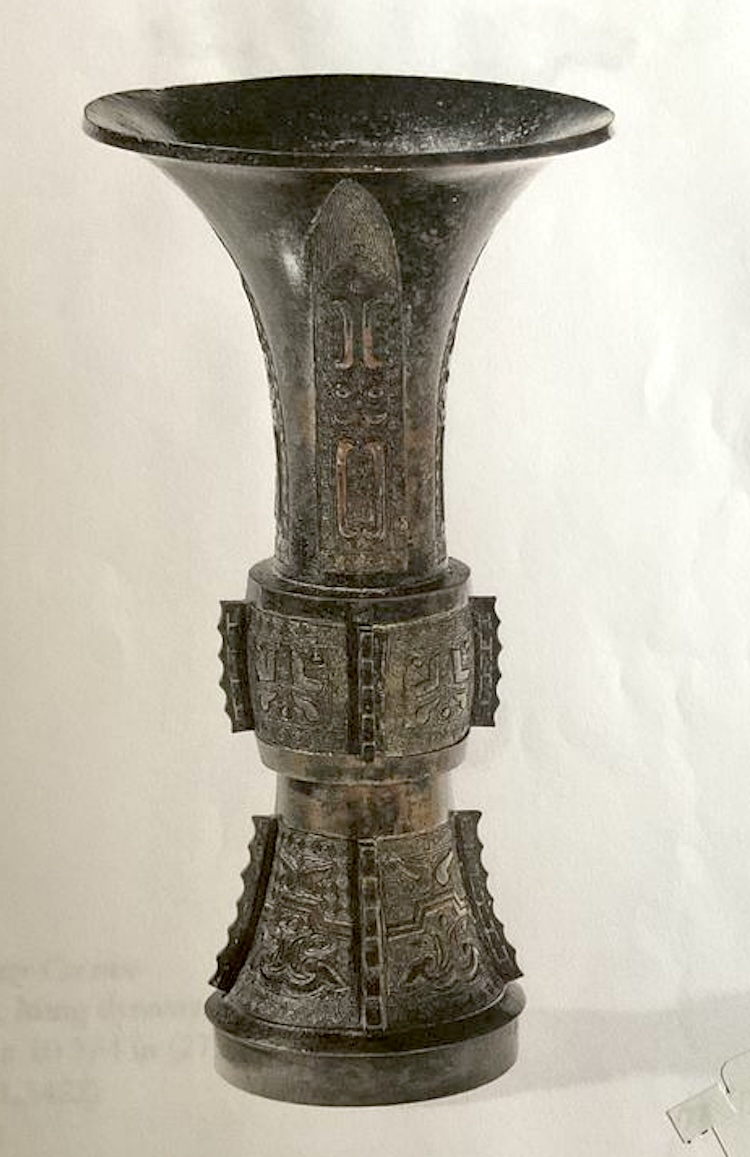
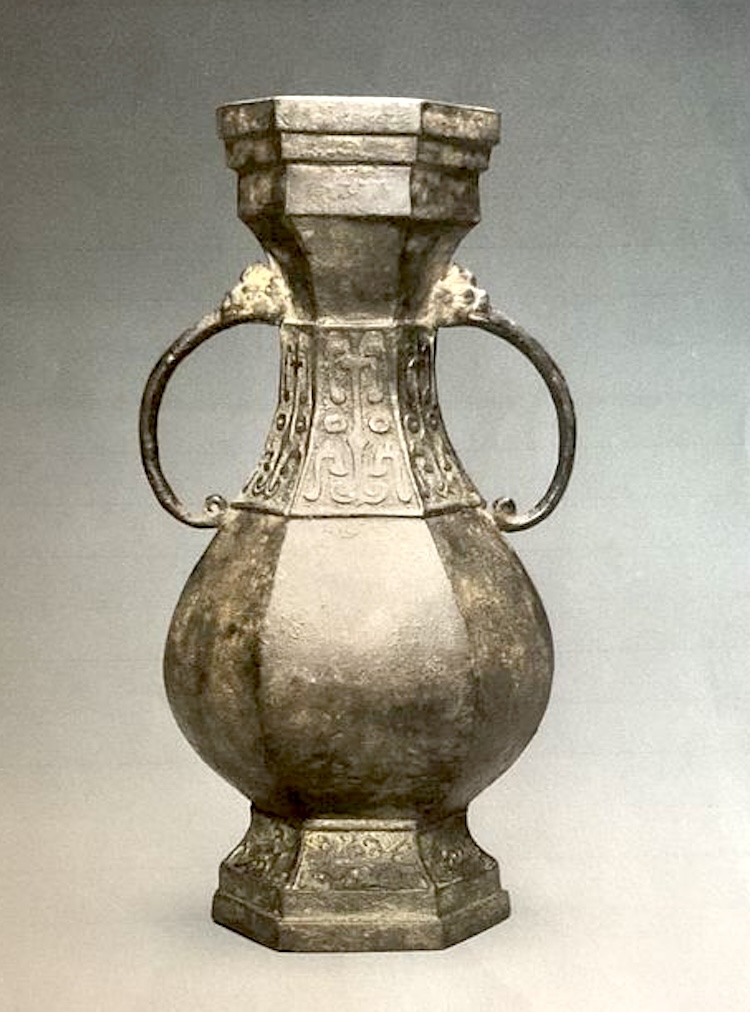
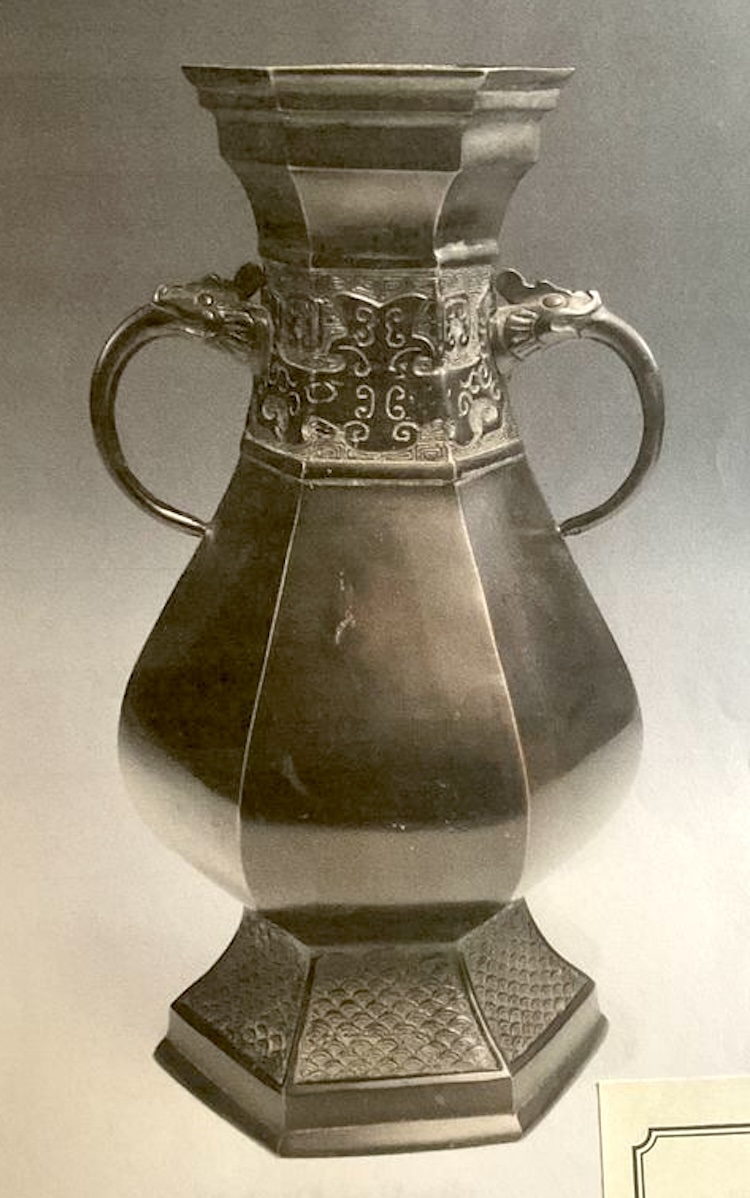
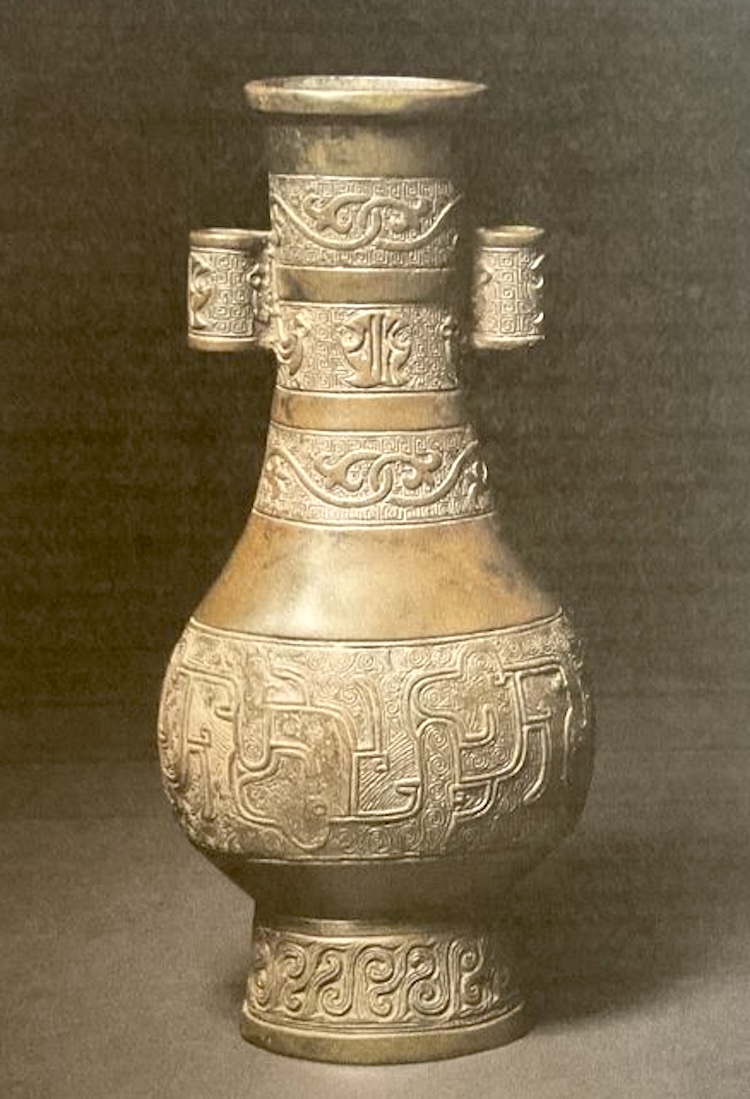
Seeking to evoke the grandeur of China’s ancient ceremonial traditions, the Qing court emulated the sophisticated craftsmanship of the Shang (c.1600–1046 BCE) and Zhou (c.1046–256 BCE) dynasties. As a result, archaistic bronzes bearing the designs of ancient ritual vessels continued to be reproduced.
SONG Dynasty (960-1279 CE)
By any standard a golden age of civilisation, the Song dynasty witnessed remarkable advances in culture, commerce and technology. During this era, China famously invented gunpowder, the compass, movable type printing and government-issued paper currency.
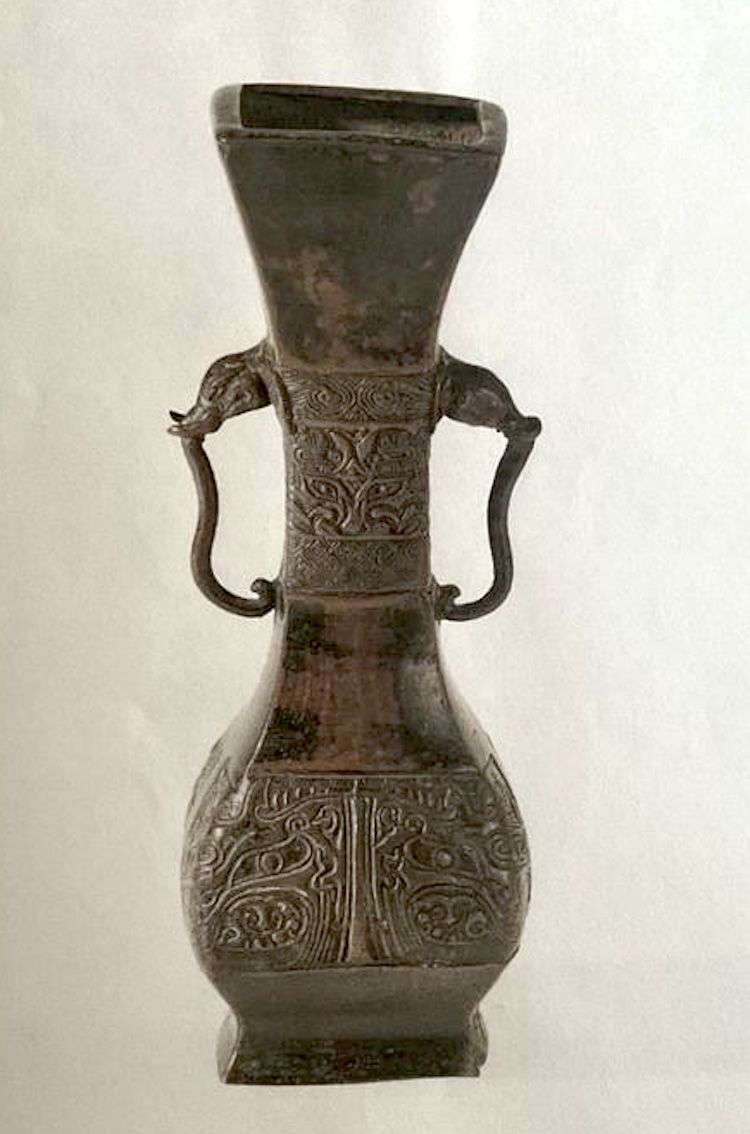
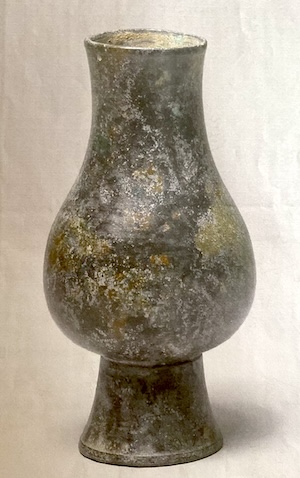
While ancient bronzes were collected and valued by the elite and literati, these precious antiquities were used only on special occasions to prevent damage from frequent handling. Consequently, newly cast vessels with similar shapes and designs — what are now known as “late bronzes” – were commissioned by collectors, prompting a revival of bronze craftsmanship and fostering a taste for archaism, in which designs of ancient ritual bronzes were reproduced and later became a defining feature of Chinese culture.
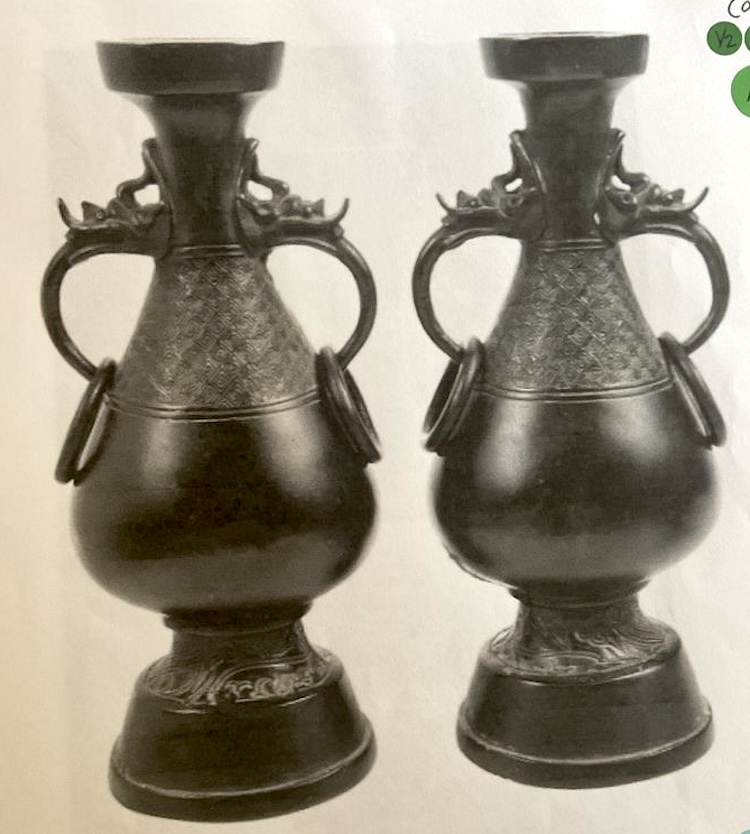
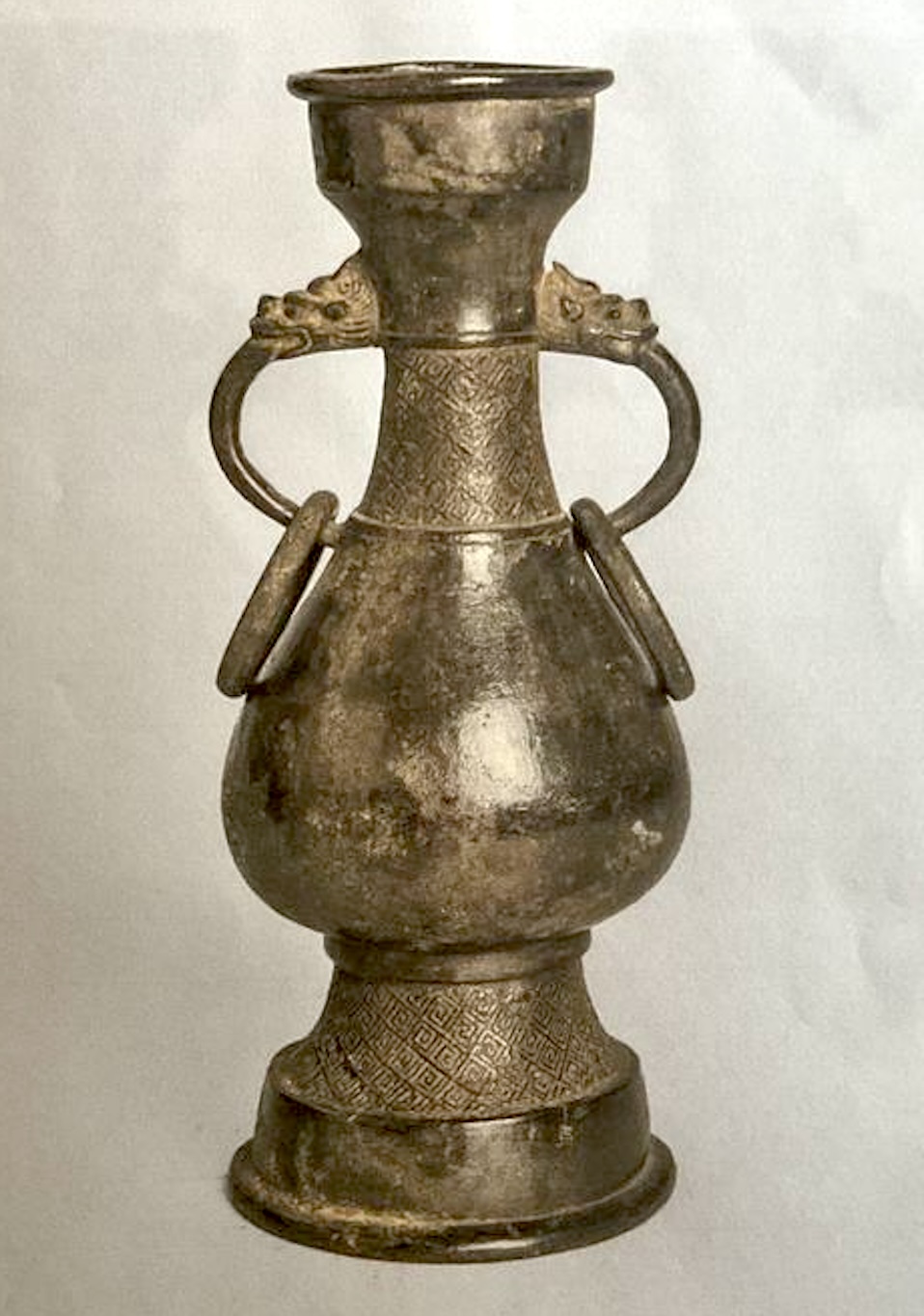
Song dynasty late bronzes were recast to revive Confucian values and, by extension, to help restore political and social order. Unlike their ancient predecessors, which were used for religious or shamanistic practices, these vessels were employed primarily as incense burners, wine containers and flower vases.
The ancient palace collections from the Zhou (1046–256 BCE), Shang (1600–1046 BCE) and Han (202 BCE–220 CE) dynasties were copies, not forgeries, intended to cater to elite tastes and serve as reminders of past glories and ideals. Much later, the bronzes produced during the Song dynasty became highly prized by Qianlong (1711–1799 CE), the fifth emperor of the Qing dynasty (1644–1912 CE).
YUAN Dynasty (1271-1368 CE)
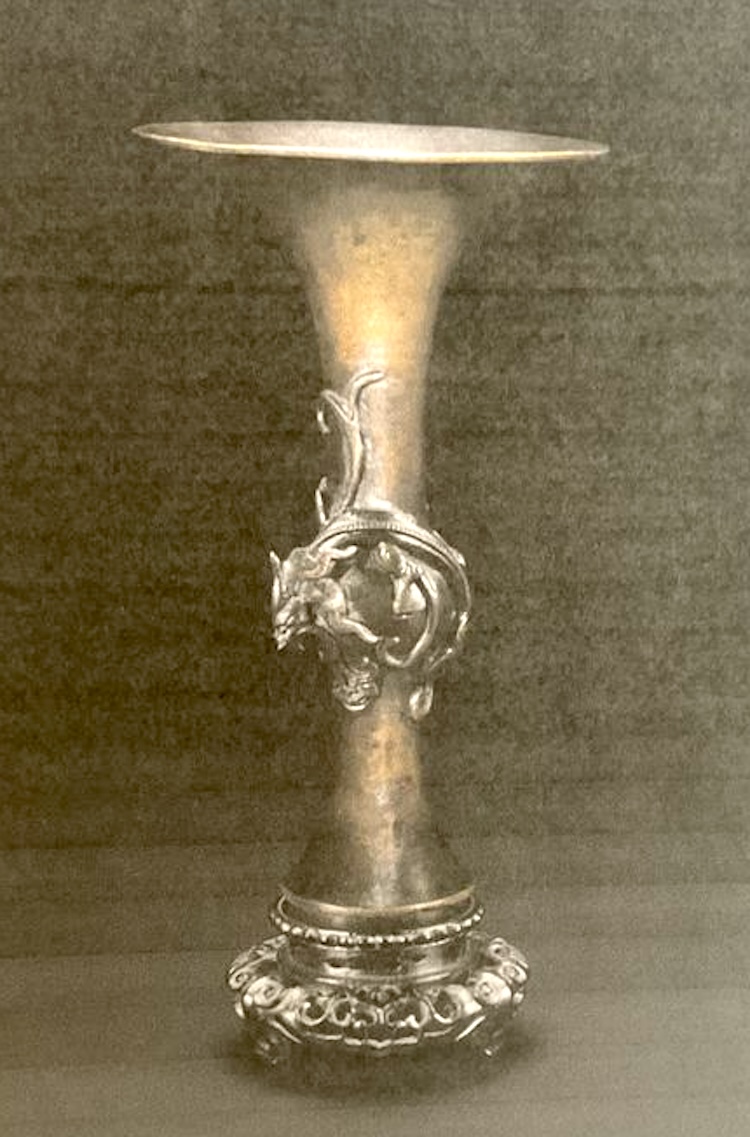
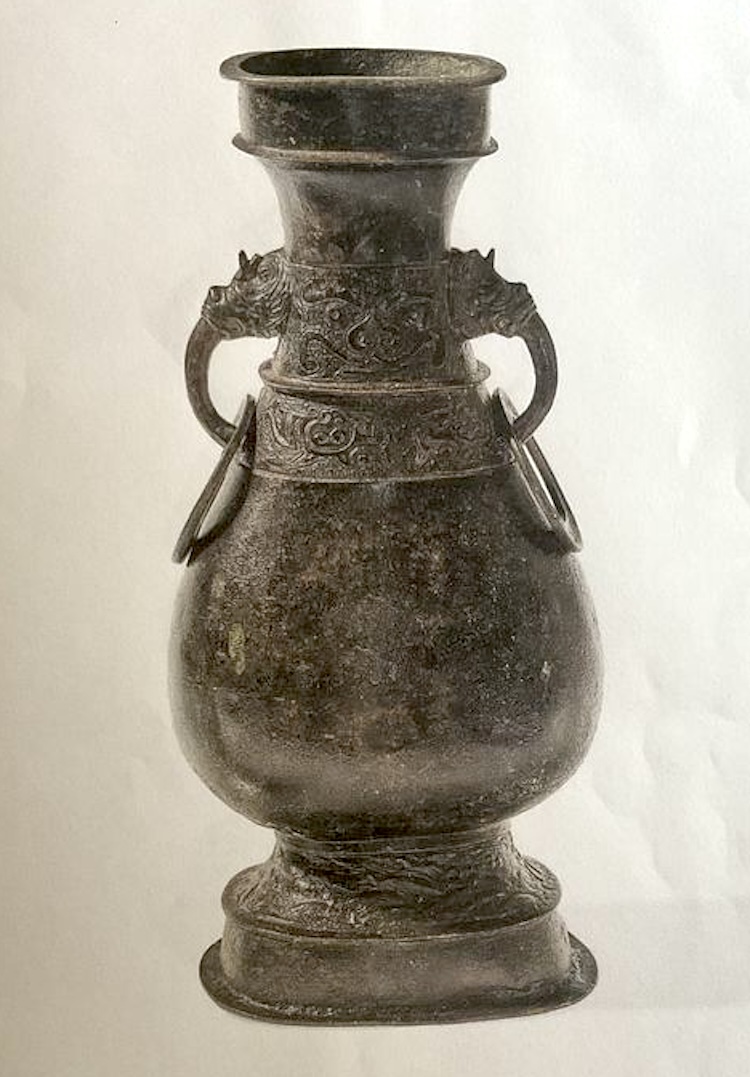
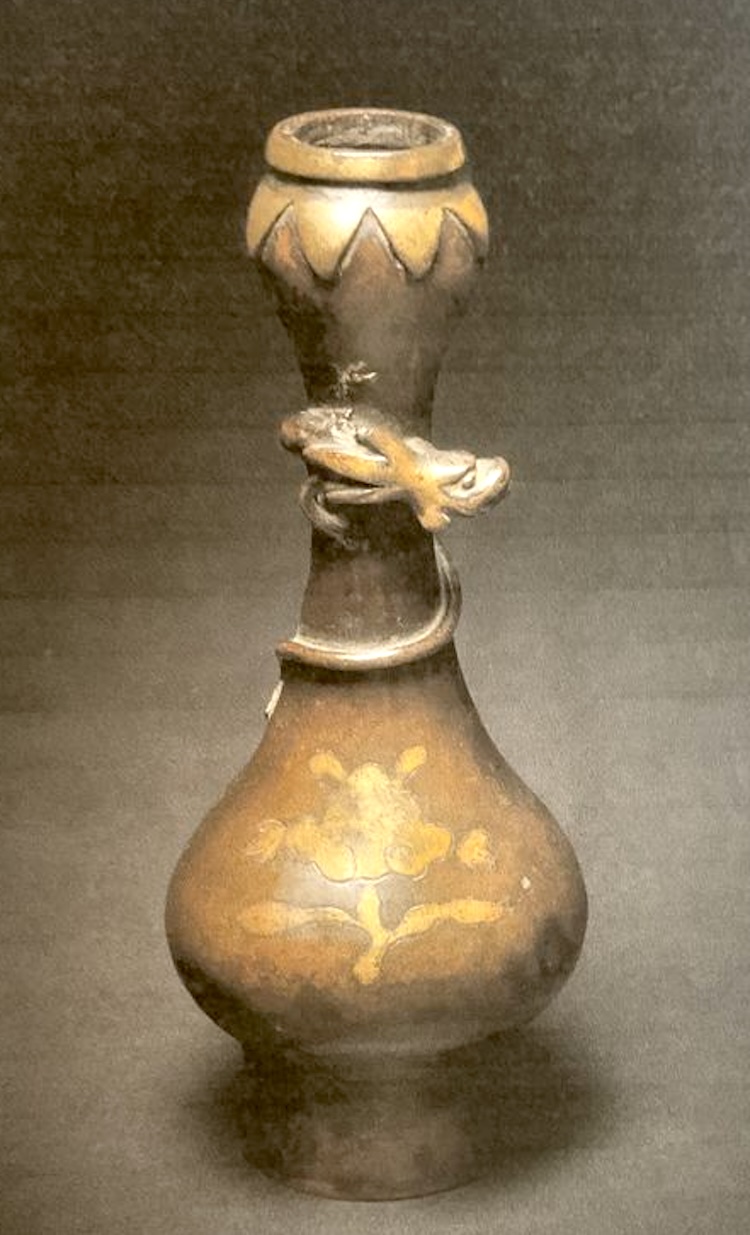
Officially known as The Great Yuan, this Mongol-led dynasty established by Kublai Khan was short-lived, ruling between the Song and Ming eras. The Yuan dynasty played a pivotal role in crafting “later Chinese bronzes,” many of which made their way to Japan, where they were employed for flower arrangements, incense burning, and religious and tea ceremonies. For a long time, these late bronzes were dismissed as mere copies of ancient vessels and their significance in Chinese culture and history was not recognised until the 20th century.
The Yuan-dynasty philosopher Zhao Mengfu (1254-1322) believed that copying great artworks of the past guarantees the continuation of culture. Unlike in other dynasties, where objects were marked with artist or imperial seals, ceramics and bronzes produced during the Yuan were engraved primarily for quality control.